
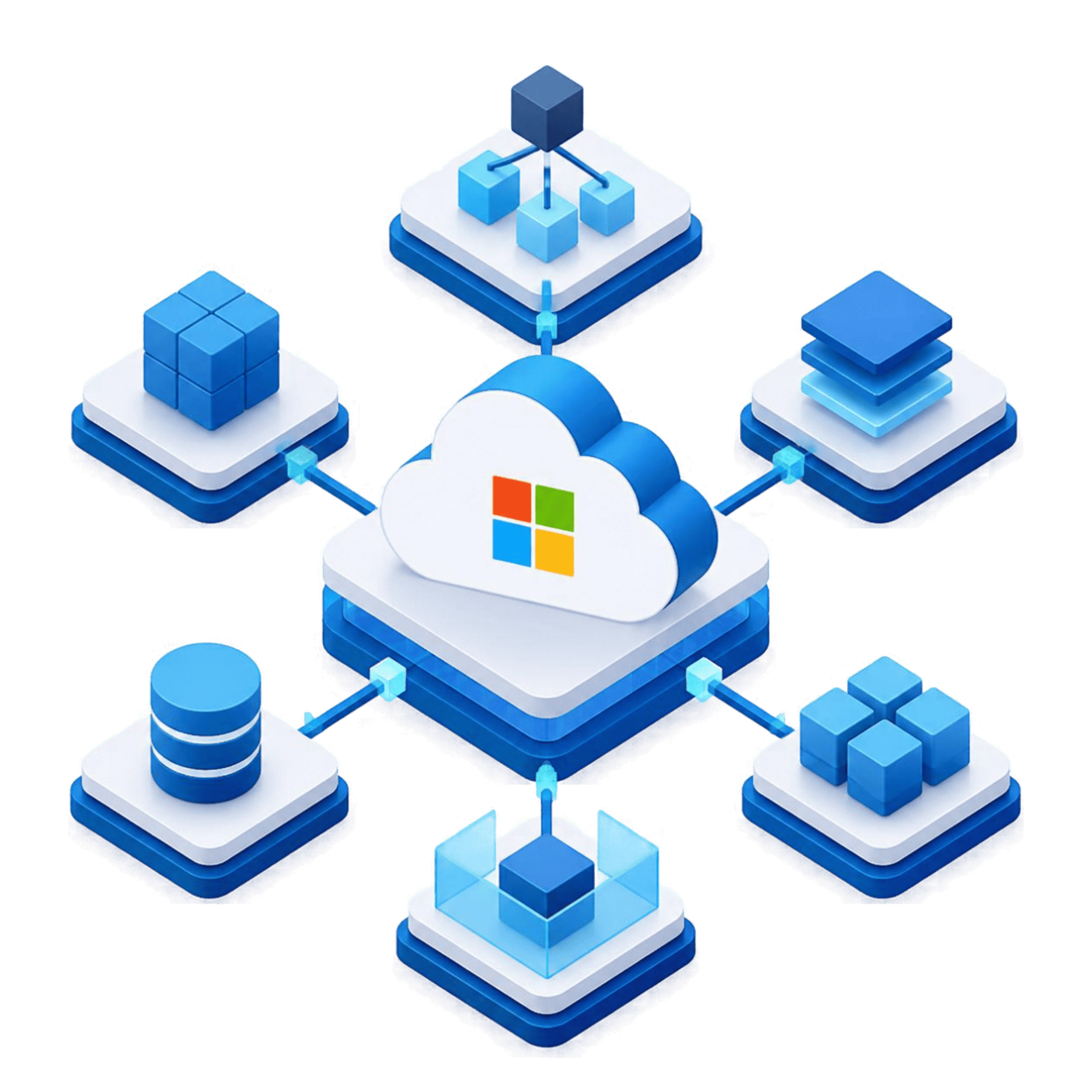
Azure Architecture
Create a clear structure for resources, subscriptions, and workload boundaries.
- Management groups
- Subscription strategy
- Workload separation
- Naming and tagging standards

Identity & Access
Define how administrators, users, applications, and workloads access Azure.
- Microsoft Entra ID
- Azure RBAC
- Managed identities
- Azure workload identity
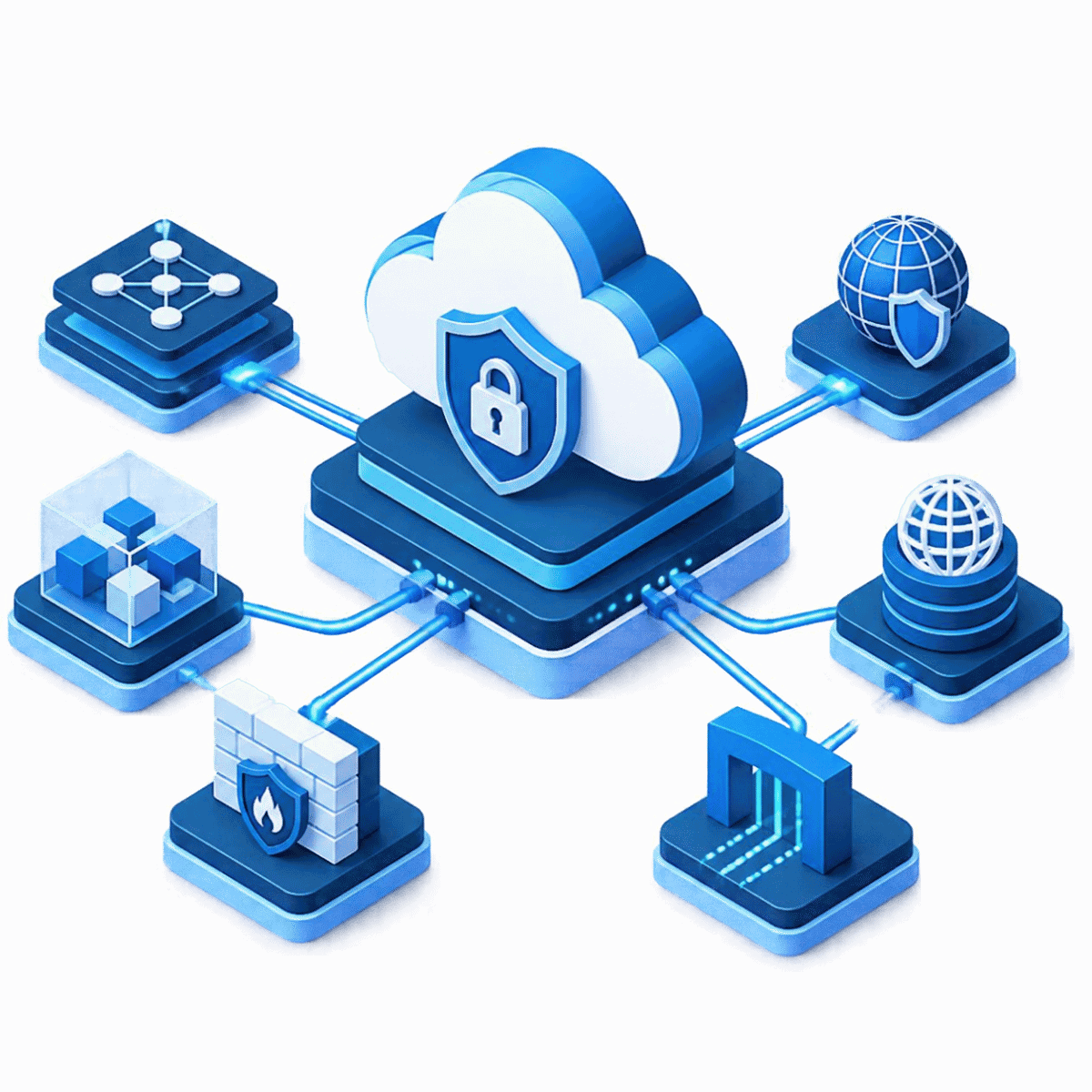
Network Foundation
Establish secure connectivity across workloads and existing infrastructure.
- Virtual networks
- Segmentation
- Private connectivity
- DNS, firewall, and hybrid connectivity
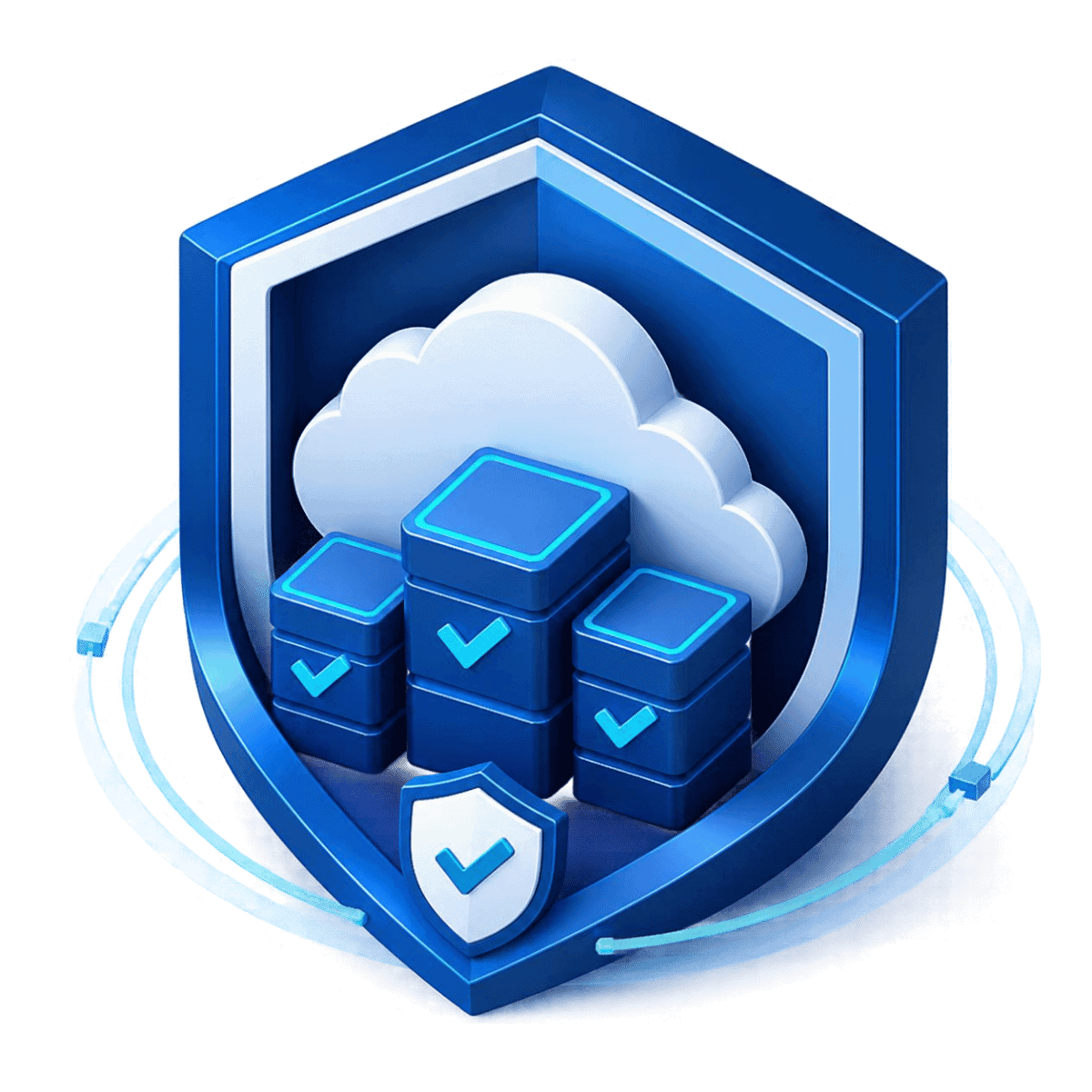
Security & Governance
Apply common controls across subscriptions and workloads.
- Azure Policy
- Microsoft Defender for Cloud
- Security baselines
- Governance boundaries

Monitoring & Operations
Give internal teams consistent visibility across the Azure environment.
- Azure Monitor
- Centralized logging
- Resource health
- Operational alerting
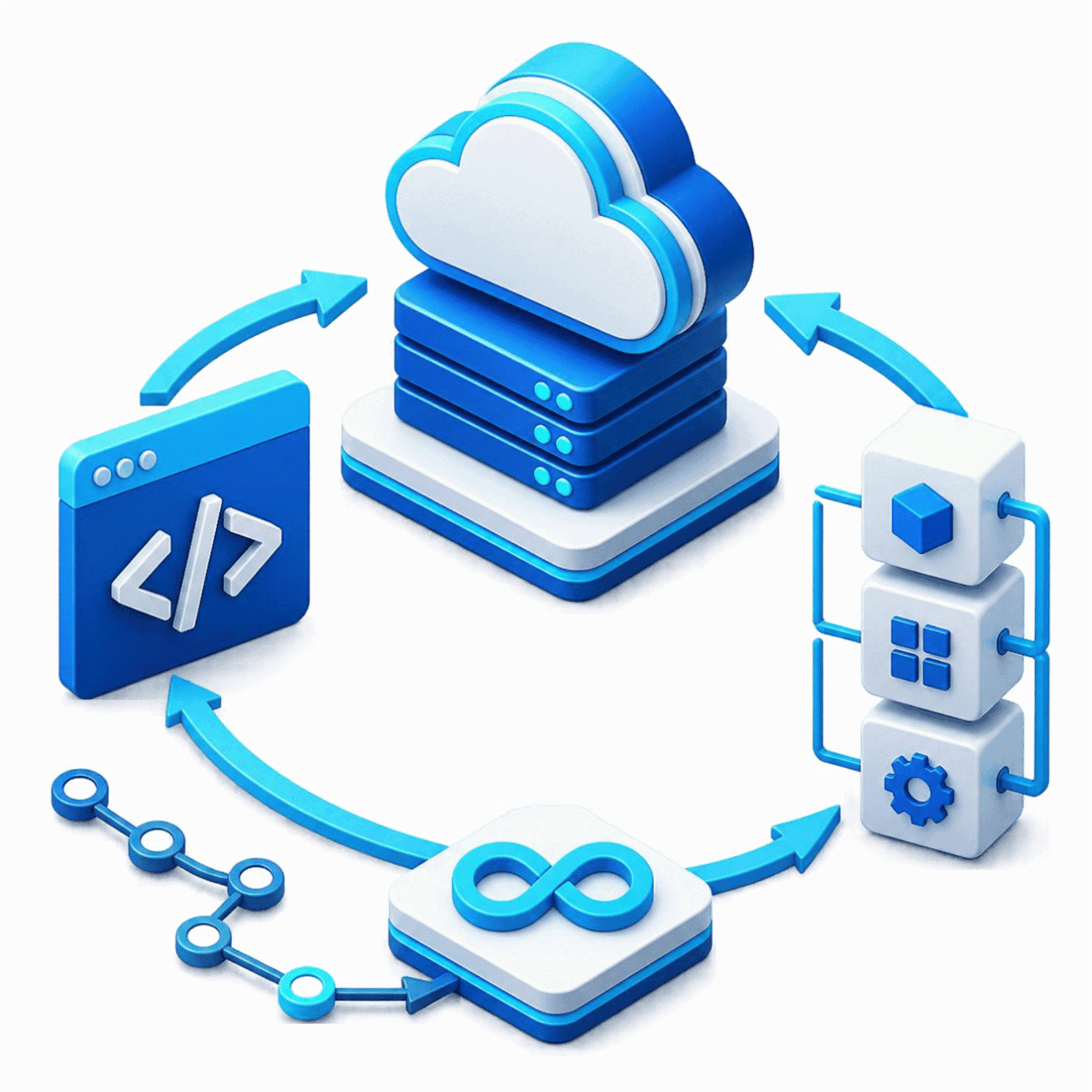
Infrastructure as Code
Make deployments easier to reproduce, review, and maintain.
- Bicep or Terraform where appropriate
- Version-controlled changes
- Repeatable deployment patterns
- Internal-team handoff
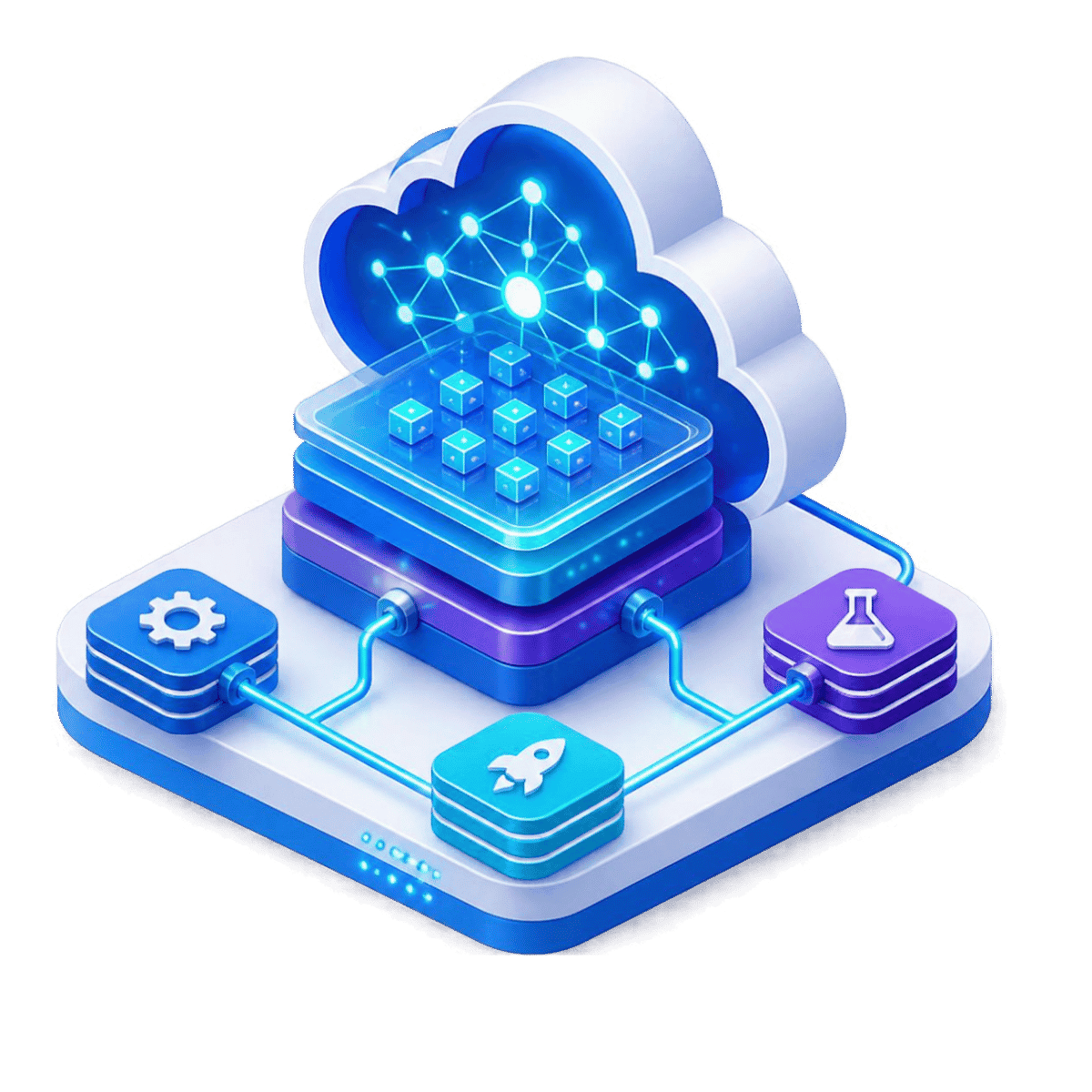
AI Workload Environment
Extend existing landing zone guardrails into development, test, and production environments for AI applications and ttagents.
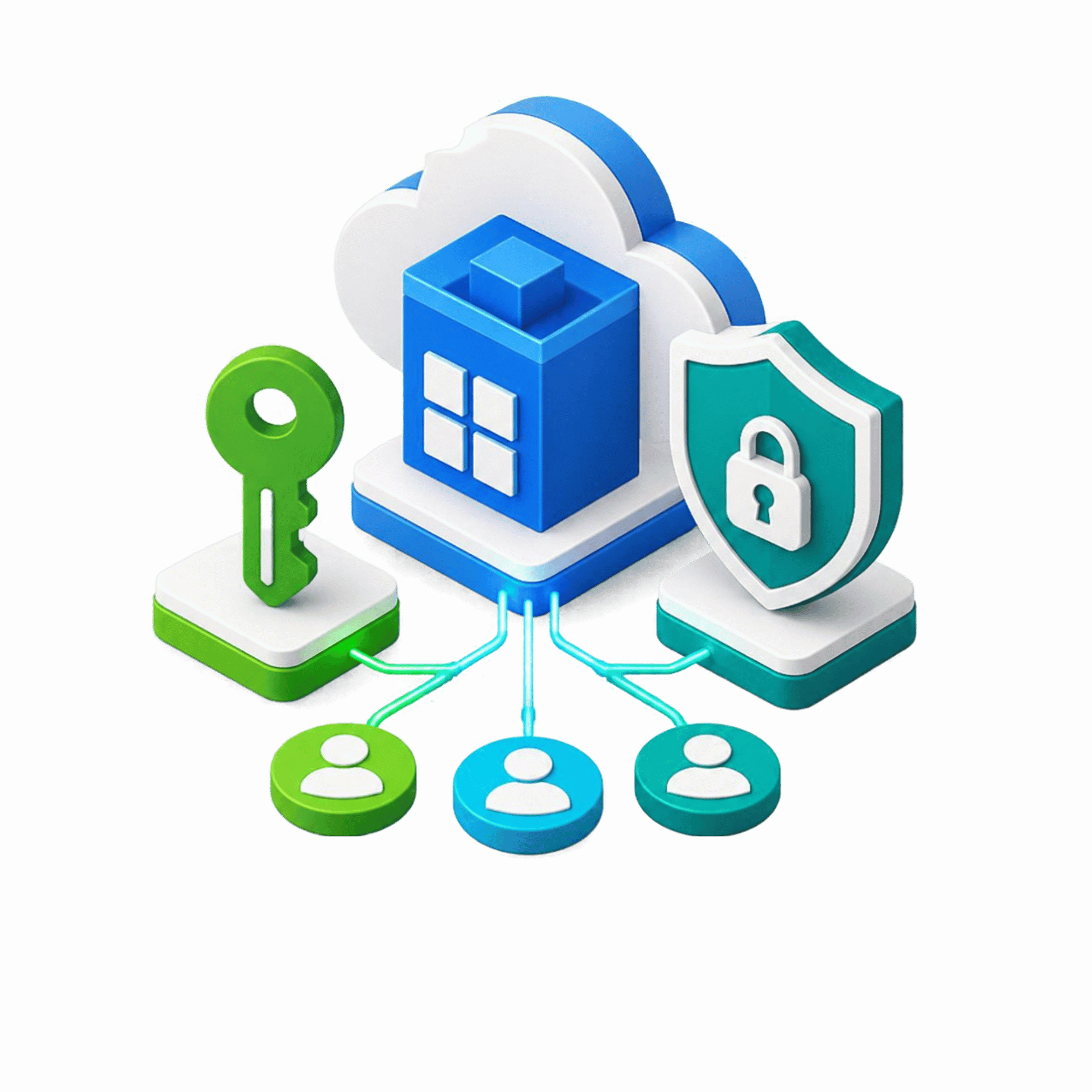
Workload Identity
Use managed identity, Microsoft Entra workload identity, service principals, or delegated user identity based on how the application operates.
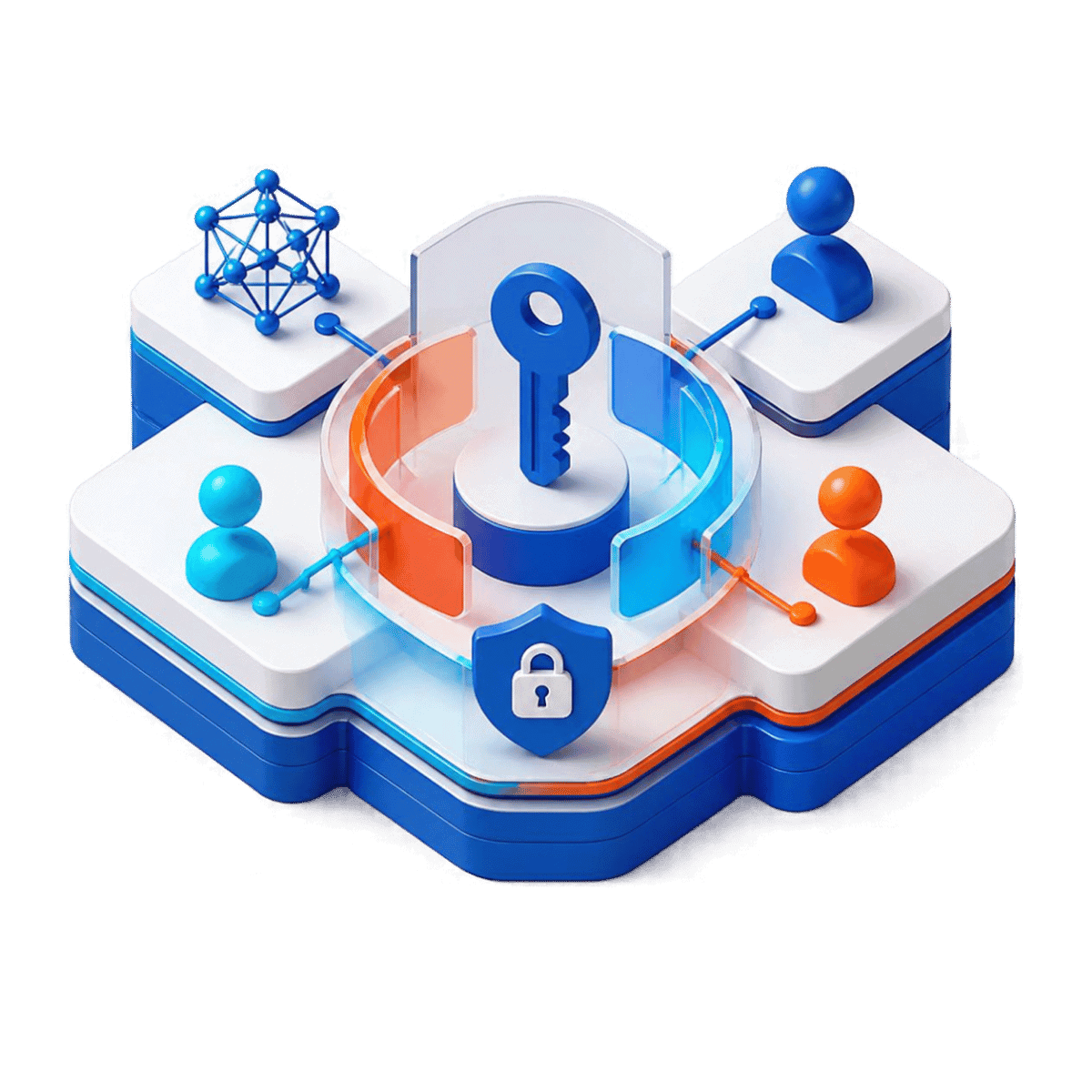
Permission Boundaries
Control access across Azure and Microsoft services using least-privilege design, Microsoft Graph permissions, and Exchange Application RBAC where relevant.
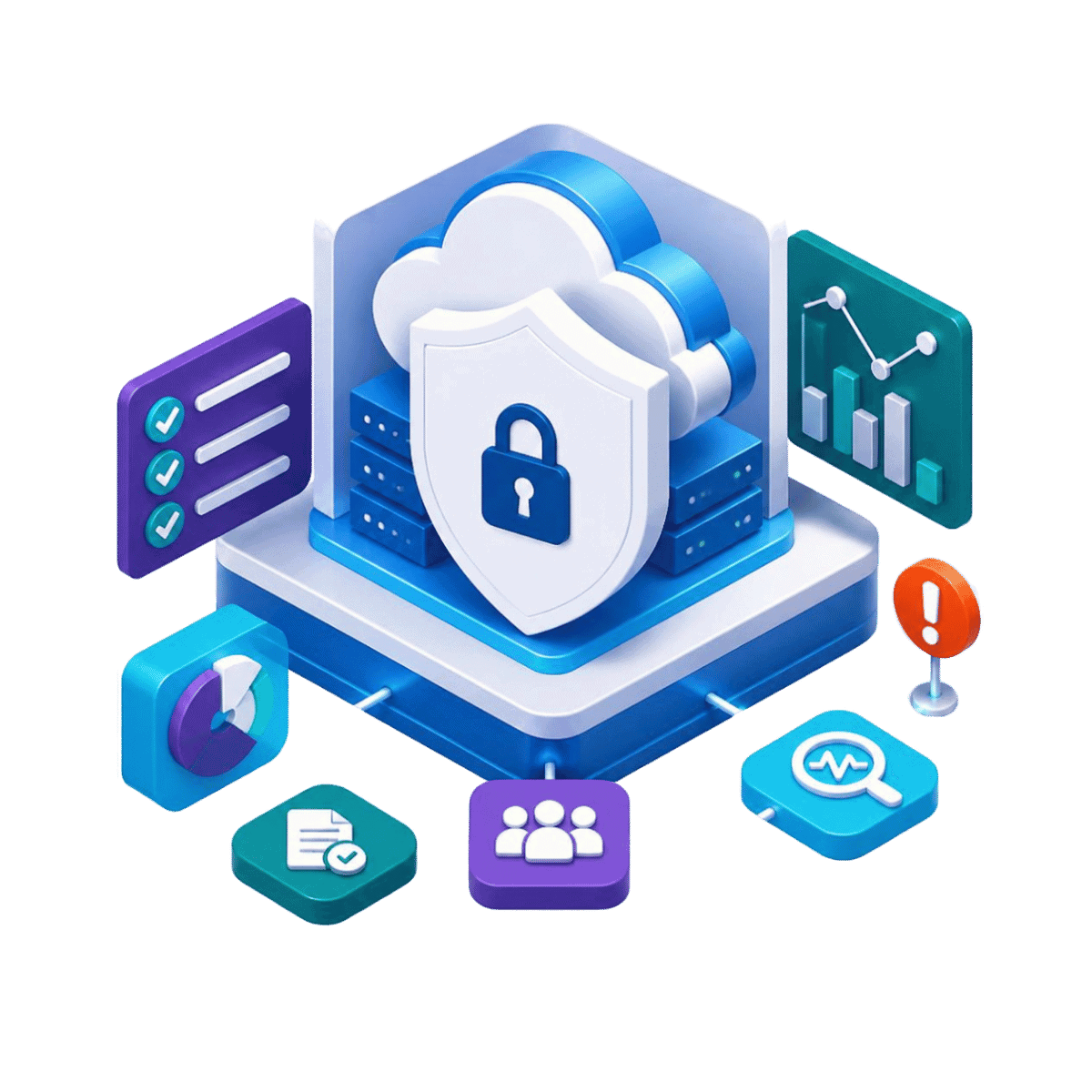
Security, Governance & Monitoring
Apply the same network, security, policy, logging, and monitoring standards to AI workloads as they move into production.
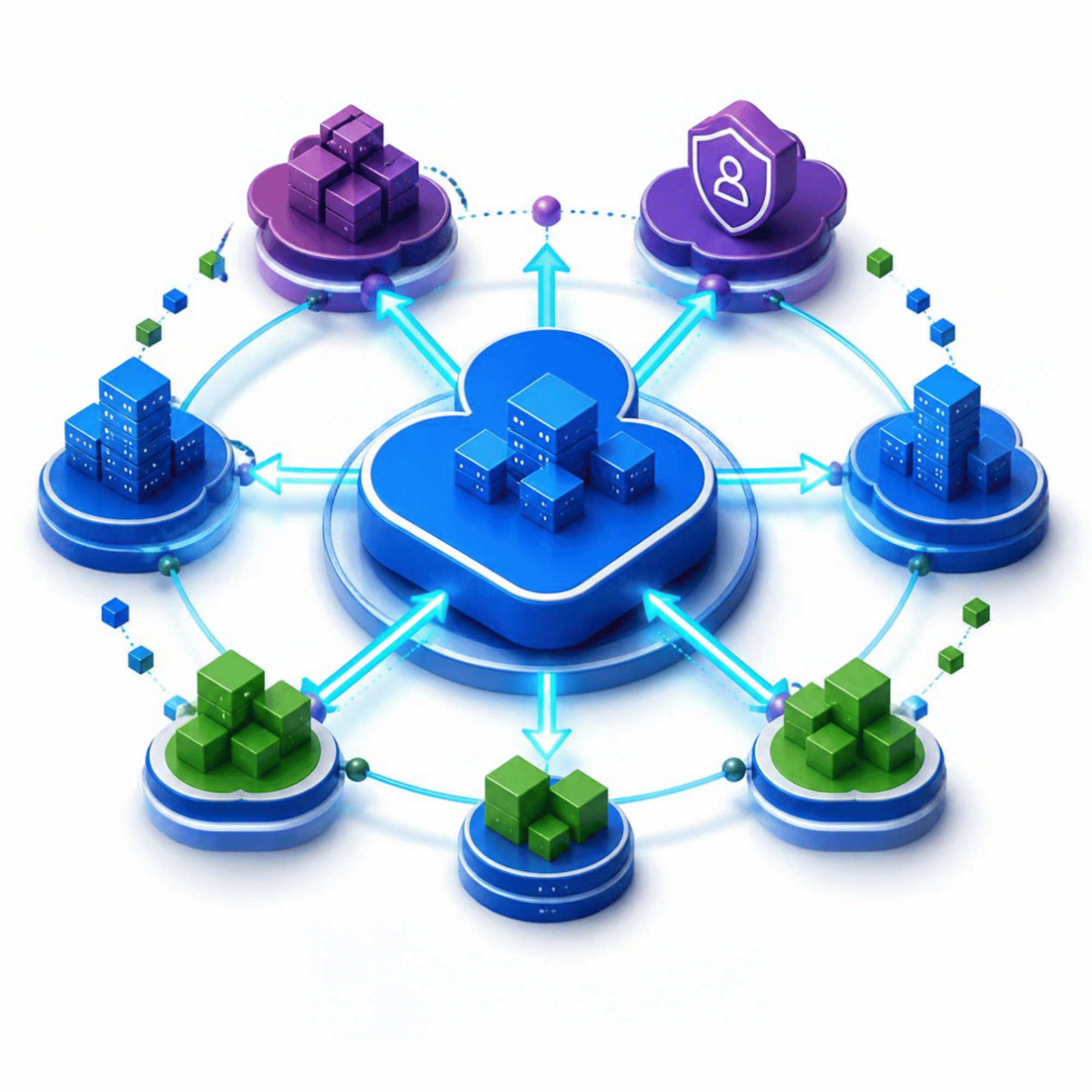
Your Azure Footprint Is Expanding
More workloads, subscriptions, or teams are increasing the need for consistent governance.
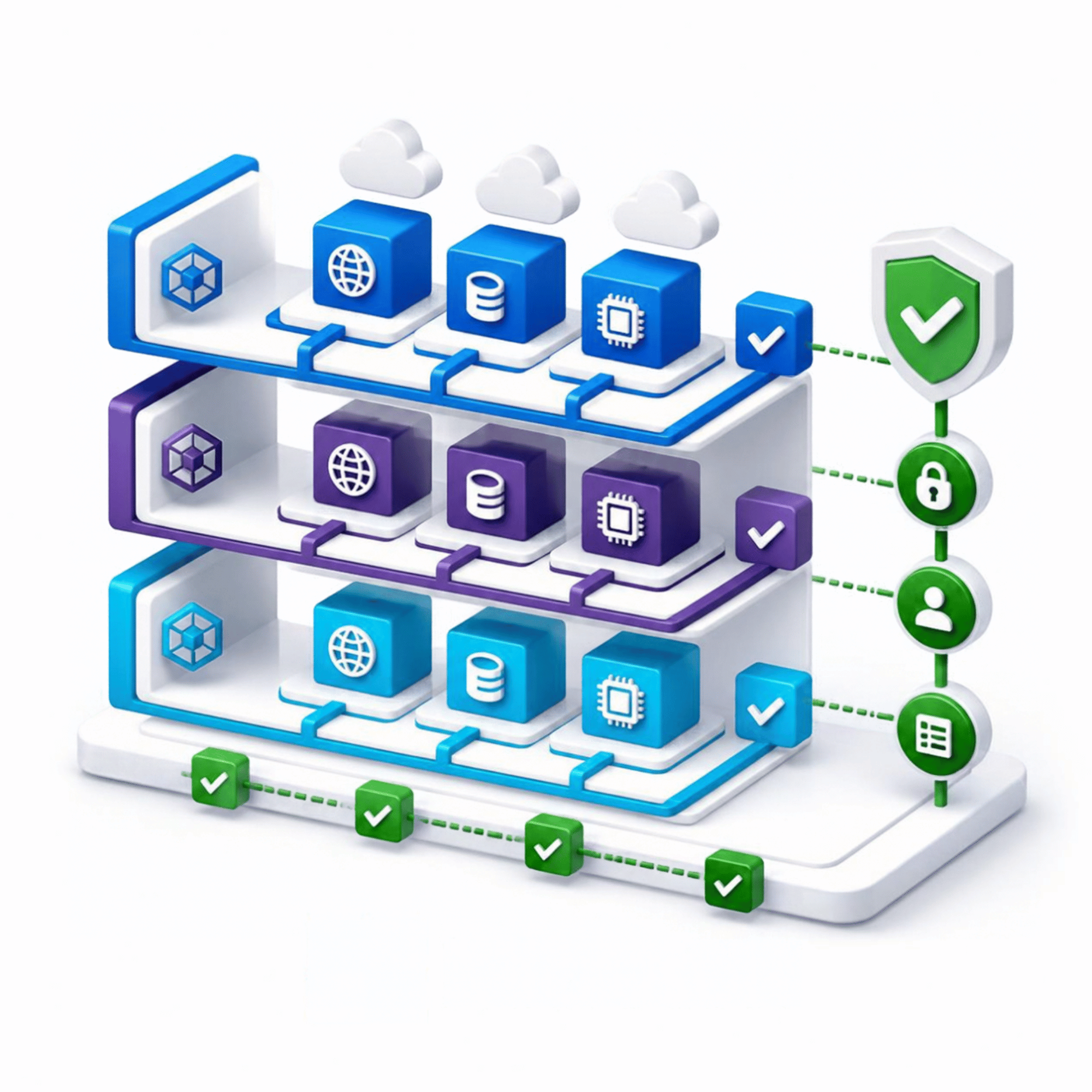
You Need to Standardize Azure
The environment already exists, but architecture, access, networking, or security practices vary.
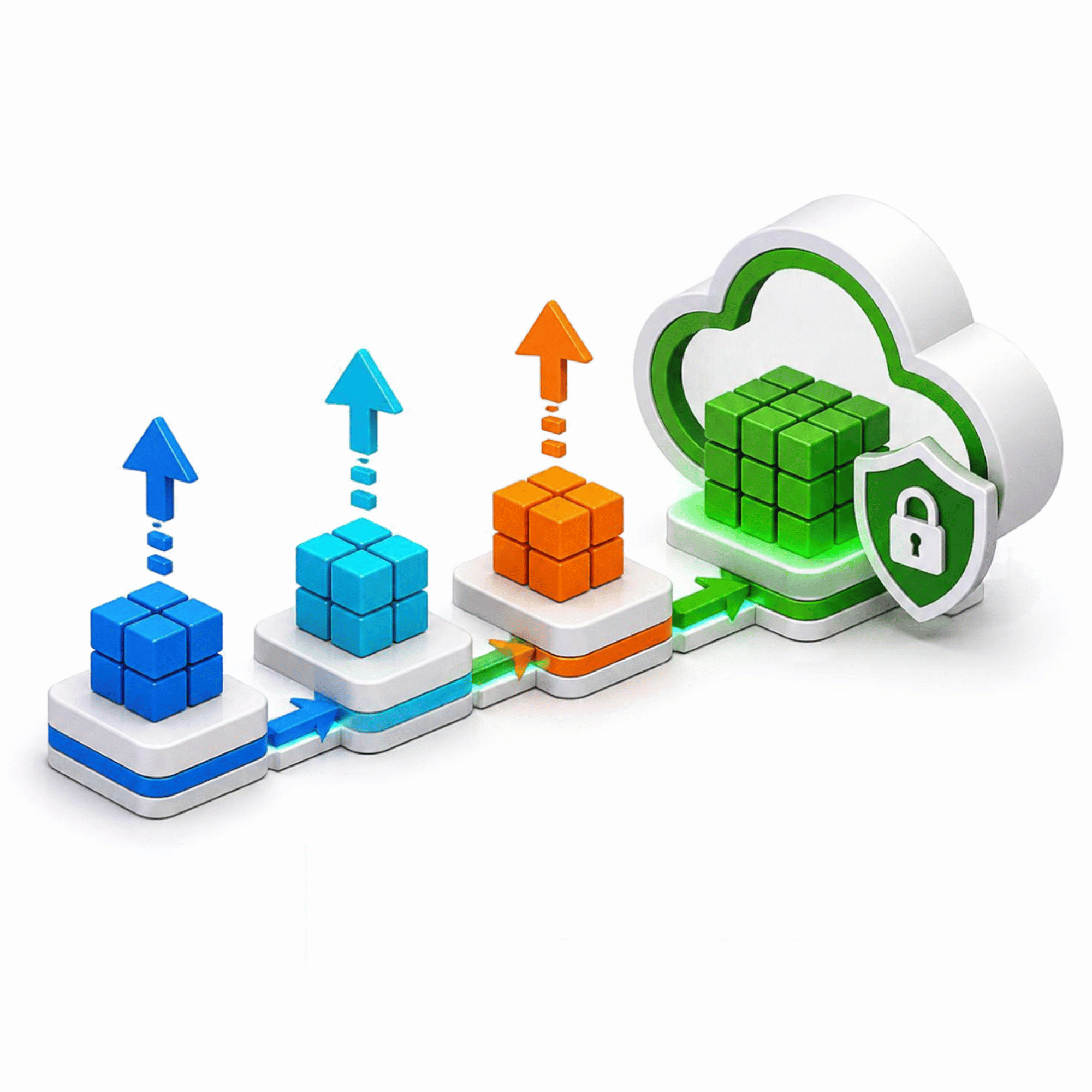
New Workloads Are Moving to Production
Your teams need repeatable controls before more applications and data platforms go live.
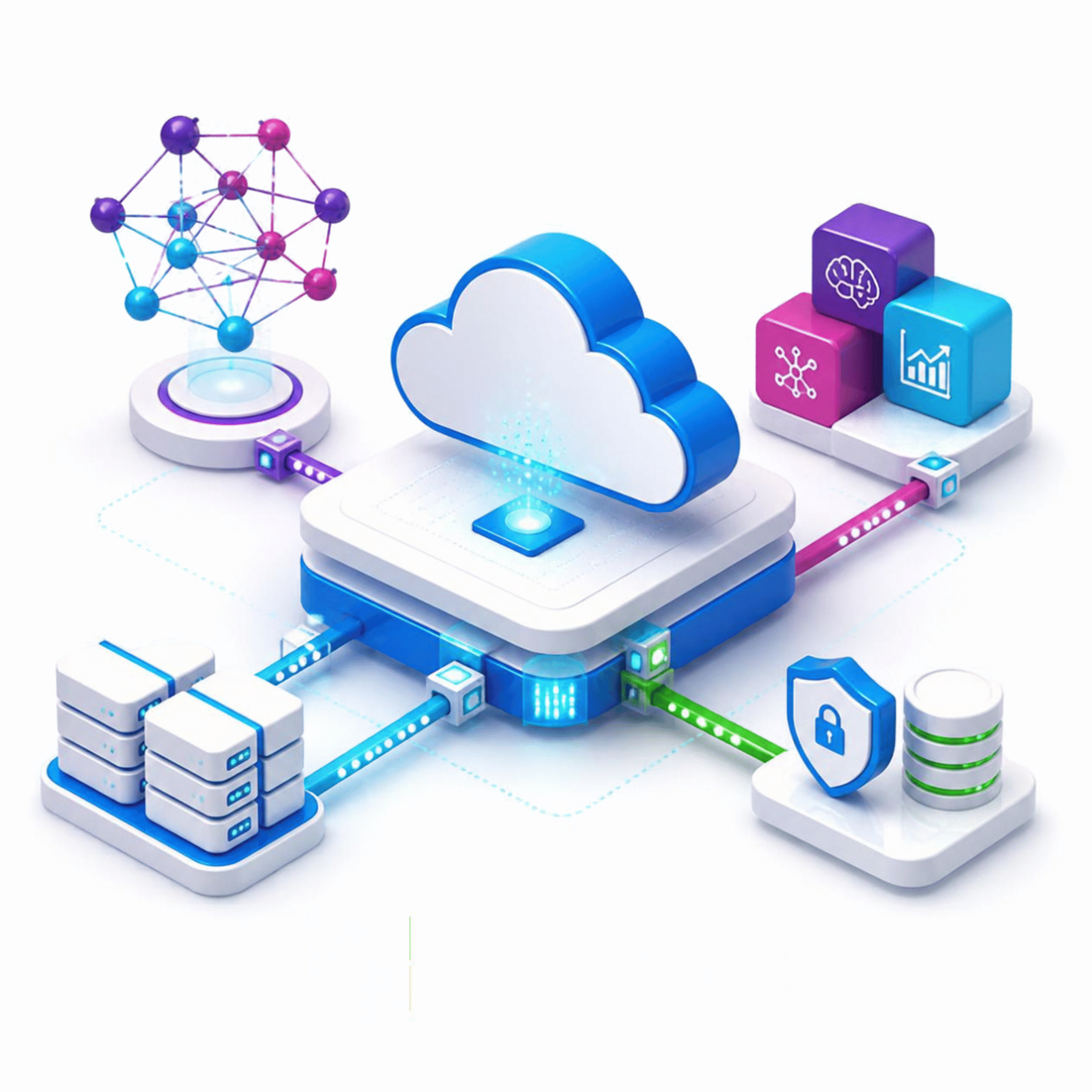
You Are Preparing Azure for AI
AI applications or agents are introducing new identity, access, networking, and governance requirements.

You Want Internal Ownership
Your team needs outside Azure expertise while keeping day-to-day operations in-house.
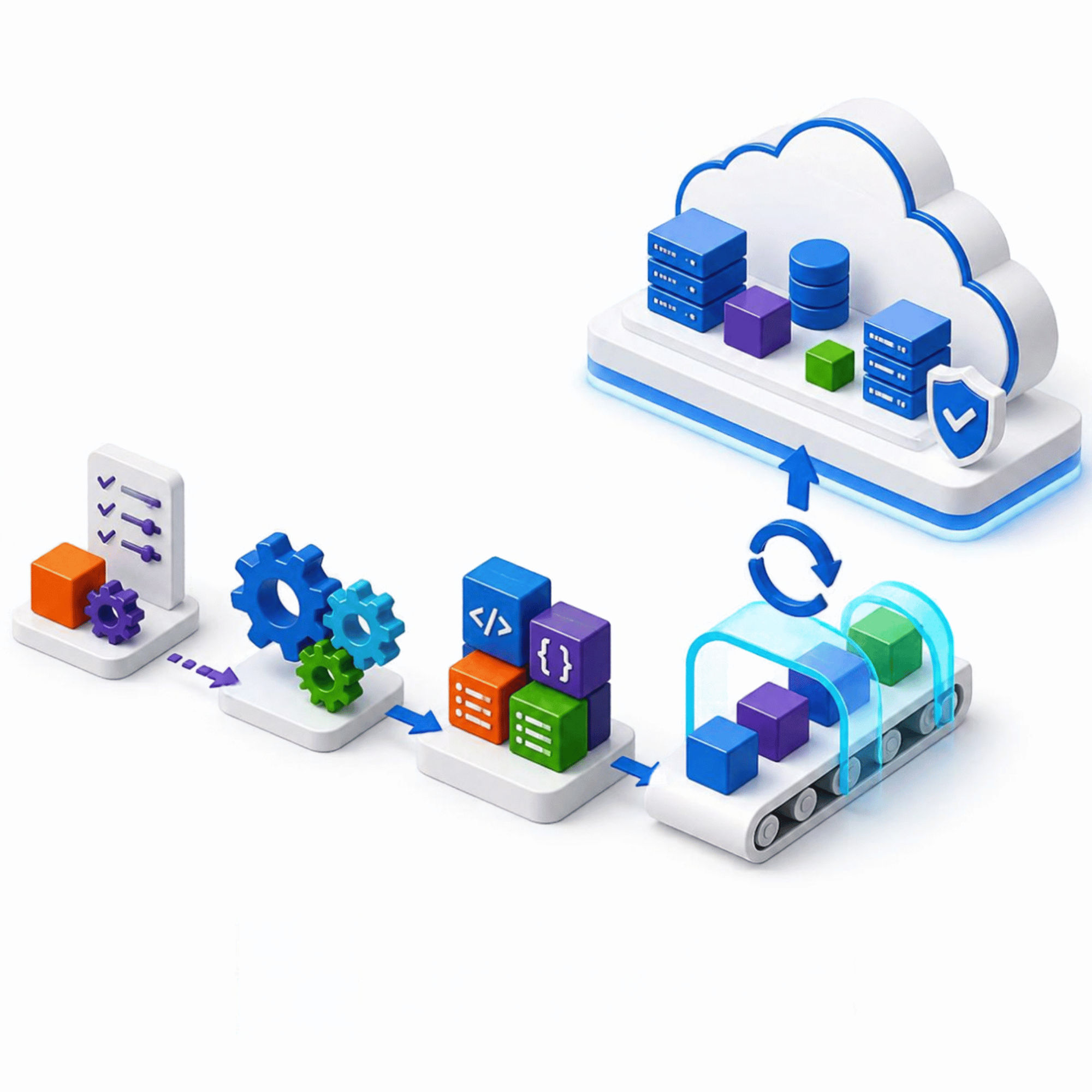
Manual Deployment Is Slowing Teams Down
You need repeatable infrastructure patterns and better control over platform changes.
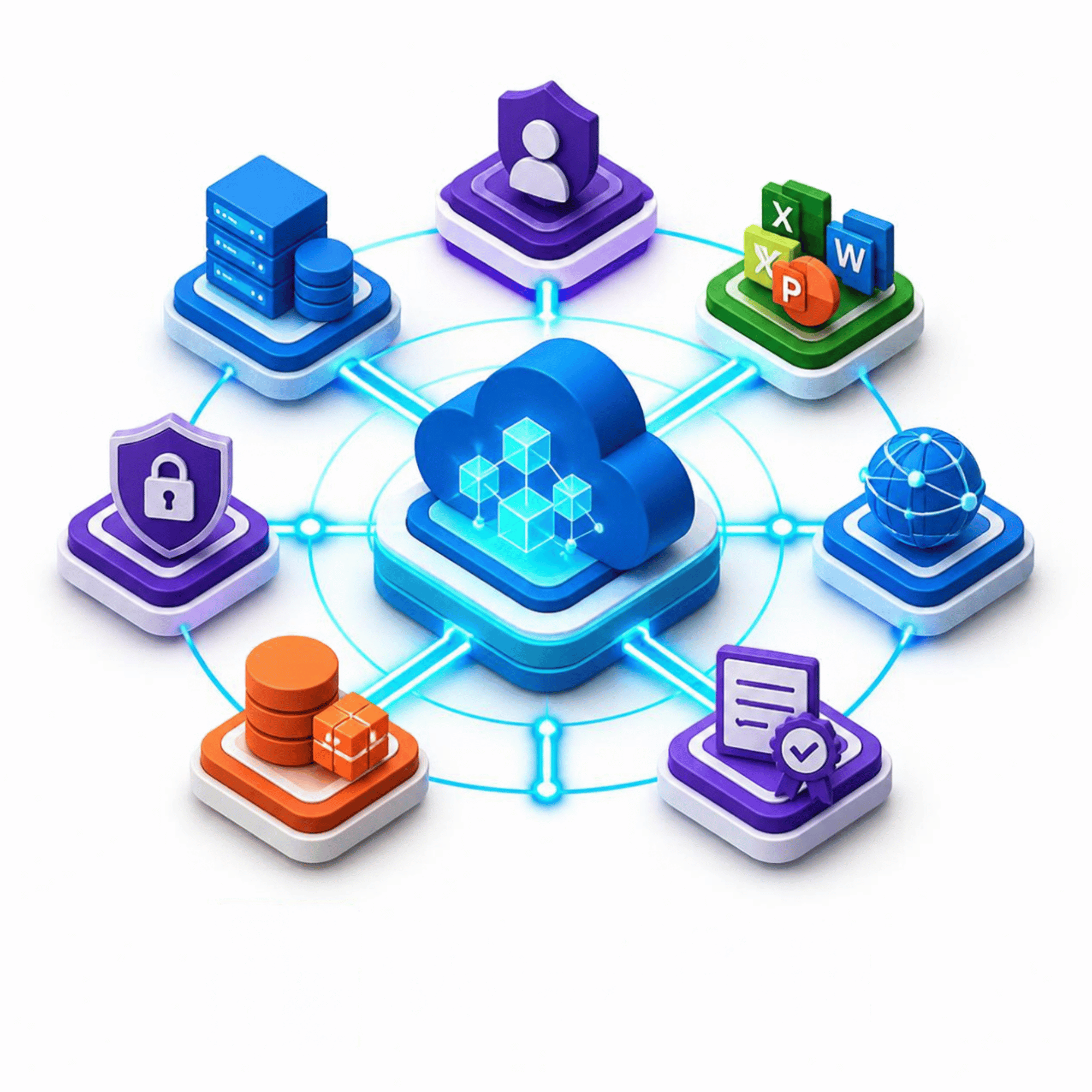
Microsoft-Focused Expertise
Azure, Microsoft Entra ID, Microsoft 365, networking, identity, security, and governance considered together.
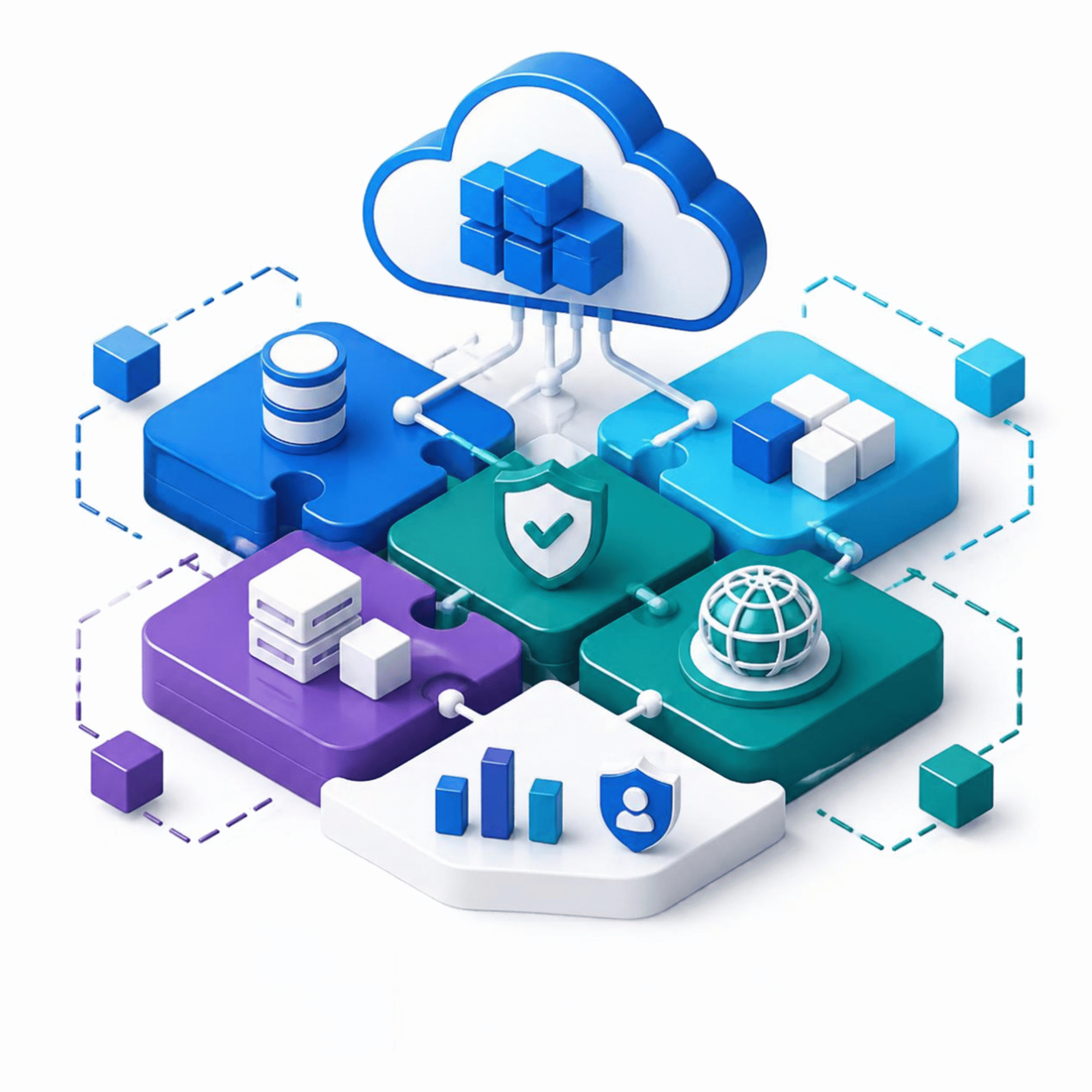
Architecture That Fits
Landing zone design based on your workloads, security needs, and operating model - not a one-size template.
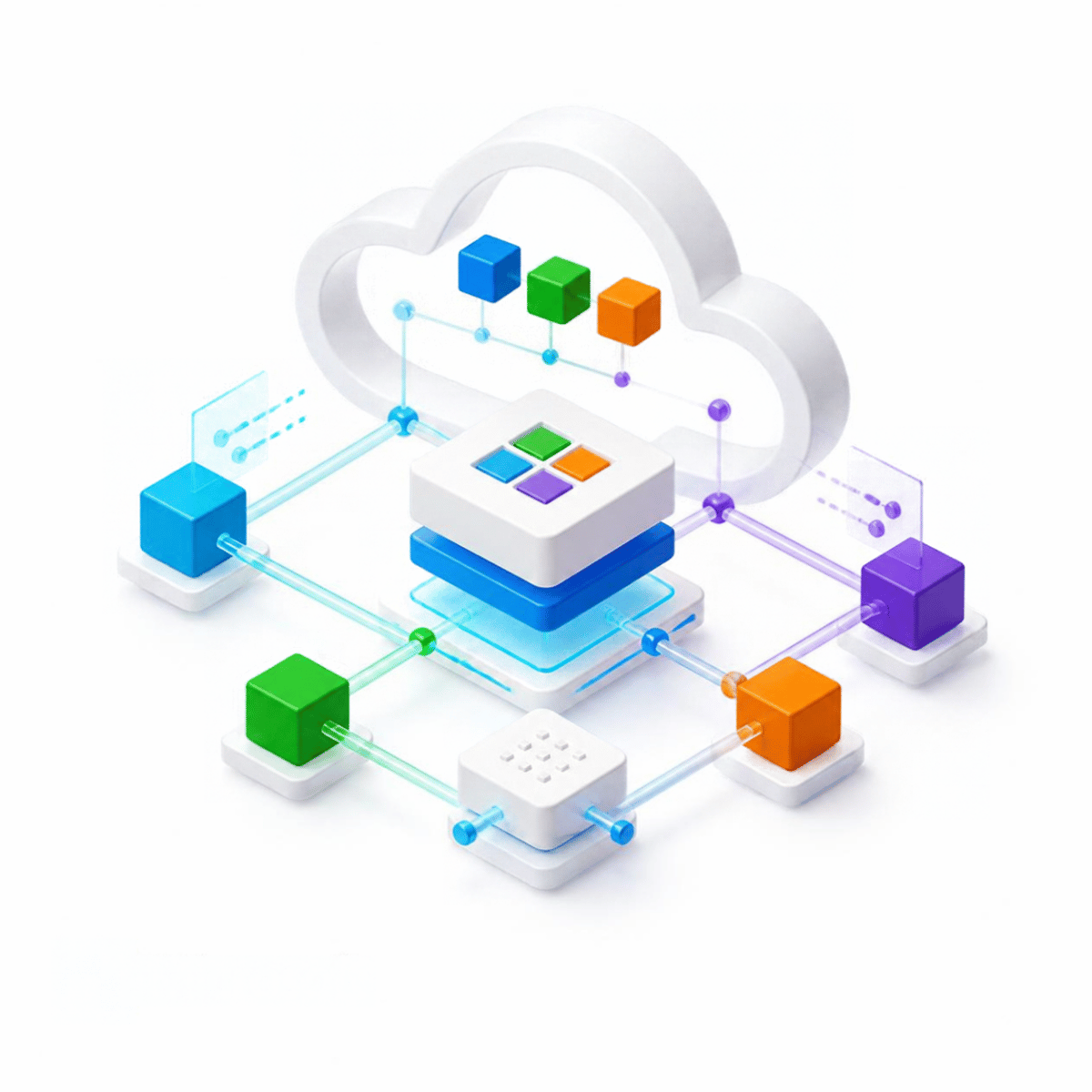
Build Alongside Your Team
Work directly with internal IT, cloud, and security teams through design, implementation, validation, and handoff.
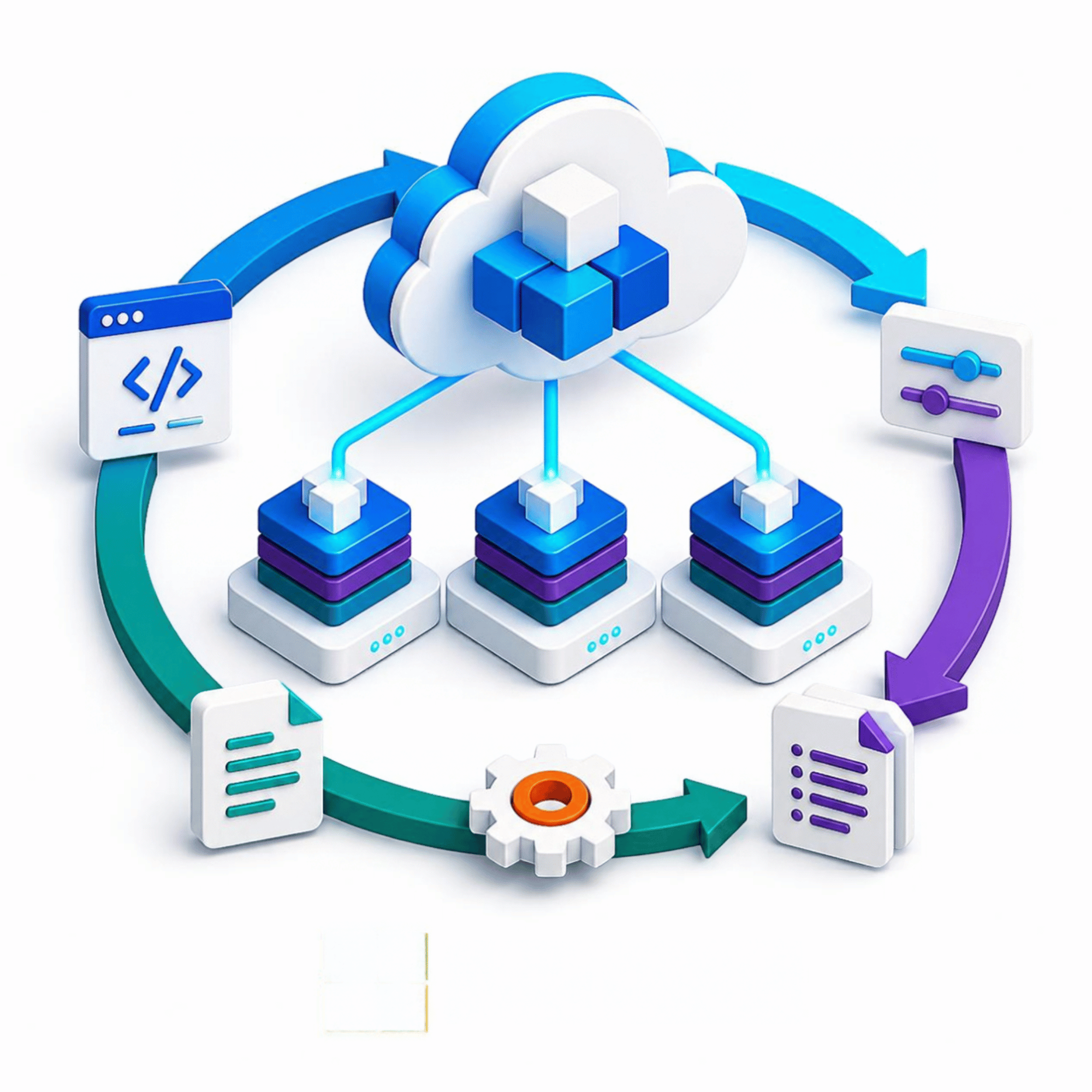
Repeatable Infrastructure
Infrastructure as Code and documentation help make the environment easier to review, update, and maintain.